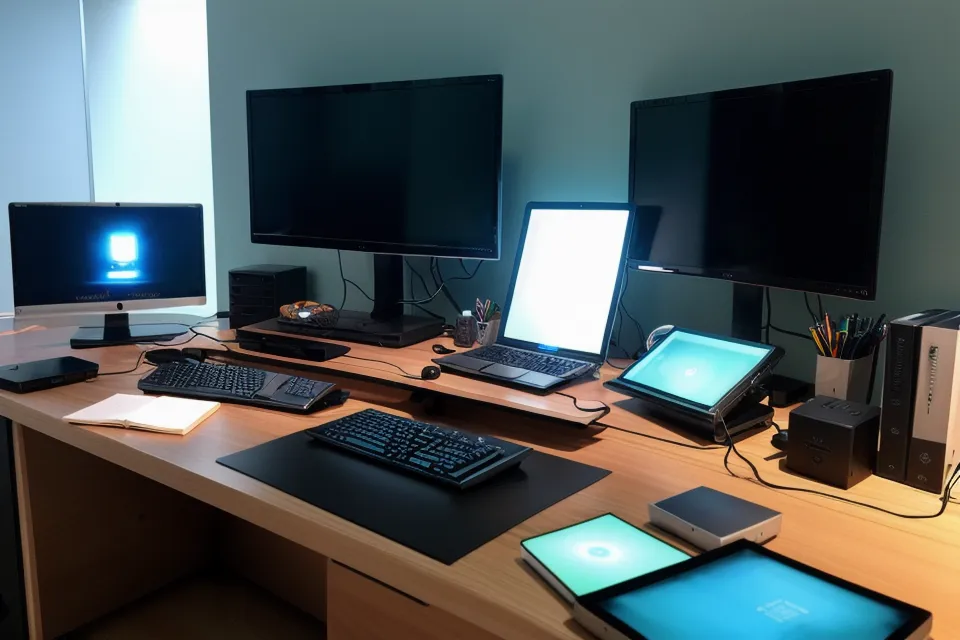
Fourteen months of logging daily eye-strain scores in a spreadsheet turns a person into someone who spots digital eye strain before a headache even starts. A twitch in the left eye, a half-second lag focusing between two monitors, blur creeping in from the corner of the screen. That log is the honest answer to the question people ask most when they hear a remote web developer tested seven eye supplements: does any of this actually work, or is it placebo with better packaging? Short version: some of it moved the needle, most of it didn't, and the difference was worth tracking. Longer version below, organized around the questions people actually ask, not a diary.
Quick disclosure before any of that: this site runs on affiliate links, and buying through one of mine earns a commission at no extra cost. I'm not an optometrist or any kind of medical professional, just a developer who stares at three monitors for a living, which is either a career or a slow-motion self-inflicted injury depending on the day. Every recommendation below comes from what actually showed up in my tracking, not a manufacturer's data sheet, and none of it replaces a real conversation with your own eye doctor.
What Is Digital Eye Strain, Actually?
My optometrist put a name on the sandpaper feeling and the afternoon fog: Digital Eye Strain, the catch-all term for what hours of close screen focus does to your eyes. His advice was the standard twenty-twenty-twenty rule: glance at something twenty feet away for twenty seconds every twenty minutes. Solid in theory, close to impossible when you're mid-flow debugging a race condition. These days the only screen break that actually resets anything for me is stepping outside, and that means a walk past the kite meadow at Zilker Park, not another timer app pretending to fix a focus problem.
What Actually Didn't Work
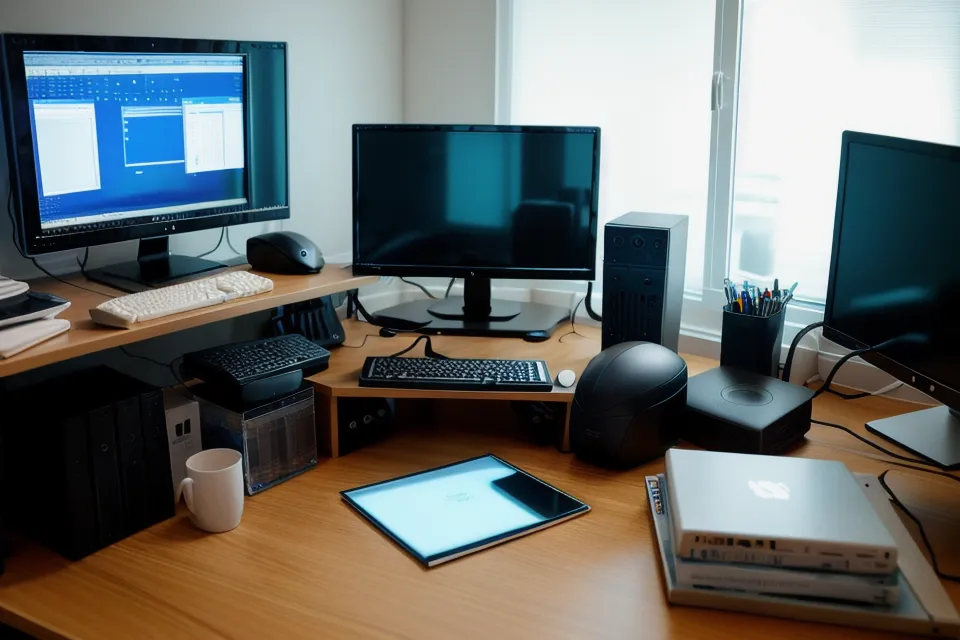
Blue light glasses were the obvious first move, and they never touched the deep ache that set in by mid-afternoon, so the search moved past hardware and into supplements. Before trusting any of it to a spreadsheet, I ran f.lux cranked to its warmest amber setting for the entire workday, on the theory that a software-only color shift might do something the glasses hadn't. It didn't. The same afternoon fog showed up on schedule regardless of how orange the screen looked, and that's when the supplement experiment actually started.
How I Test Whether a Supplement Is Doing Anything
The method is boring on purpose: the same self-reported fatigue score logged every evening, one variable changed at a time, enough time elapsed that a single good day doesn't get mistaken for a trend. I've also stopped waiting for a peer-reviewed citation before trusting my own numbers, though I stay just as skeptical of a glowing brand testimonial as I would be of a thin clinical abstract. The clearest sign a day already went badly is the stiff little jolt of resistance when the desk motor finally kicks in to raise it after three straight hours sitting still without noticing. By then the fatigue score for that evening is more or less decided, and no amount of monitor height or lighting adjustment undoes it after the fact.
Dry Eyes and Eye Fatigue Are Not the Same Complaint
Dry eyes and general eye fatigue get lumped together constantly, but they're not the same complaint, even when they show up in the same afternoon slump. Mine leans harder toward fatigue than dryness, heaviness and a focus lag rather than grit or burning. That's a distinction worth sorting out with an actual eye doctor rather than guessing from a blog post. Supplements aimed at one don't necessarily touch the other, which is one reason I never expected a single bottle to solve everything.

Comparing the Three Supplements I Tested Most
Three formulas got the most real use out of the seven, and switching between them amounted to A/B testing with my own eyes as the only user. It wasn't a phased journey, just a rotation driven by whatever the previous formula wasn't fixing.
TheyaVue was the budget entry point, and it earns that label honestly. A sprawling twenty-four ingredient formula at the most affordable price in the lineup, which made it a low-risk way to see how my body reacted to eye supplements at all. The tradeoff is a smaller brand with a thinner track record, fewer independent reviews to cross-check against my own impressions. It didn't erase the afternoon fog on its own, but the headaches got noticeably less sharp, and that alone made it worth the entry price for anyone starting from zero.
iGenics took the opposite approach: twelve targeted ingredients instead of two dozen, more like a focused tool than an everything-included kit. The capsules run larger, which made the daily routine a bit more of a chore, and it took noticeably longer than TheyaVue before I felt any shift at all. Oral supplements have to get absorbed before they do anything, and how much of what you swallow actually reaches the eyes isn't something I have a confident mechanism for, I just track what changes. Around the time I was weighing whether to stick with it, I was also reading up on Best Magnesium for Eye Twitching, mostly because eye twitches during late coding sessions are their own special kind of annoying.
VisiFlora ended up being the one still in the cabinet. A single daily capsule instead of a multi-pill routine, and a sixty-day money-back guarantee that reads like the kind of confidence you don't usually get from a supplement brand. It sits at the premium end of the price range for what you get, which mattered less once the fatigue scores actually held steady through stressful weeks instead of just improving and then sliding back. There's a fuller breakdown of the actual numbers behind that call in Testing Seven Eye Supplements From My Austin Desk, for anyone who wants the spreadsheet version instead of the summary.
Which Ingredients Actually Show Up on the Label
Two names show up on almost every one of the seven bottles I've gone through: lutein and zeaxanthin. Though I've never found a source I trust enough to tell me what ratio between them actually matters for someone in front of a screen all day instead of out in the sun. Cross-referencing what's dosed at a meaningful level against what's just there to pad the ingredient list is a project I keep meaning to finish properly, and until I do, I treat the full label as a rough signal rather than a scorecard.
What I'd Tell a Friend Who Just Wants the Short Version
An old college friend, Dex Harrington, texted a while back after going fully remote himself and noticing the same screen-induced strain creeping in. He wanted the two-line version, not a link to my spreadsheet. The short answer: pick one supplement, give it a real stretch without switching early out of impatience, and track a fatigue number every single evening even when it feels pointless, because the trend only shows up once there's enough data to see one. He took it, which either means the advice was solid or he just wanted an excuse to stop reading my texts about eye strain.
Not everyone wants that level of tracking, and that's fair. A friend named Luciana, a product manager, made it clear the only habit that survives her calendar is one she doesn't have to think about, which is honestly the strongest case I've heard for VisiFlora's single-capsule dose over a multi-pill regimen.
Where This Leaves My Afternoons Now
Living in Austin means fighting bright sun and thick pollen on top of three monitors, and none of that changes because a supplement bottle is on the desk. What changed is smaller than a before-and-after photo: getting through an end-of-day code review now without losing a line to that half-second drift where the text seems to slide out from under your eyes and back, instead of squinting through the last hour like the screen owes an apology.
If you're tired of your eyes paying rent for your career, start with whichever tradeoff you can live with: cheaper and unproven, slower but more targeted, or pricier with a guarantee attached. For me, the guarantee and the one-capsule routine made VisiFlora the one that stuck, and it's still the first thing in the cabinet each morning. Keep your own log no matter which one you pick. The data is the actual product here, and none of it works if you're not tracking it.