
Seven eye supplements have passed through my system over fourteen months, and exactly one of them is still sitting on my desk. That's a rough survival rate for anything you're paying for every month, which is why I started tracking each one in a spreadsheet instead of trusting memory. Digital eye strain is the phrase my optometrist used for what years of remote work had done to my eyes, and chasing a fix for it turned into an unplanned crash course in vision health and supplement testing, somewhere in the middle of my remote-work career. VisiFlora is the one that made it through, and this is the long version of why.
Quick disclosure before the play-by-play: this site runs on affiliate links, and if you buy something through one I earn a commission at no extra cost to you. I only write up supplements I've actually tested on my own eyes, including VisiFlora, and I should say up front that none of this is medical advice, since my only real credentials here are three monitors and a spreadsheet habit I can't seem to quit.
The Three-Monitor Problem Behind My Digital Eye Strain
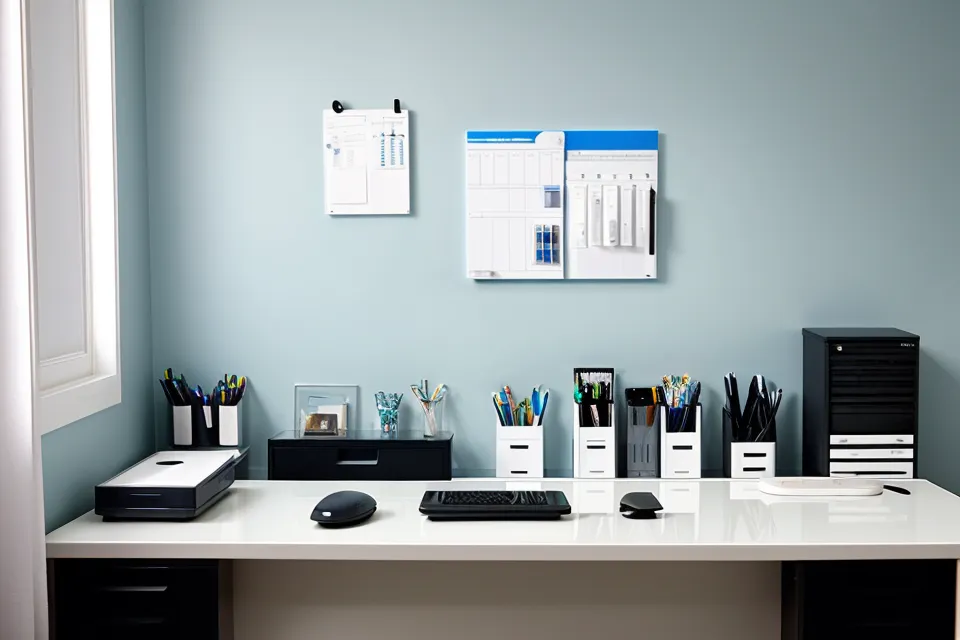
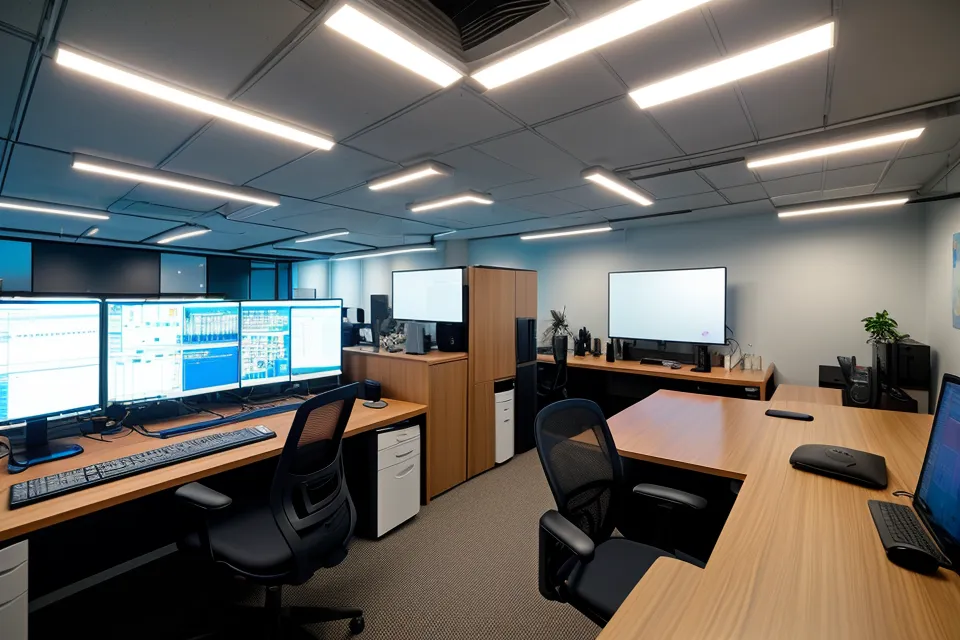
Eight to ten hours a day across three screens is a lot to ask of two eyes that also have to survive Zoom calls, code reviews, and whatever doom-scrolling happens after hours. Blue light glasses were the first thing I threw at the problem, followed by dimming every screen until my code editor looked like it was lit by candlelight. The 20-20-20 rule came next, the classic advice to look at something twenty feet away every twenty minutes, and it helped the way a band-aid helps a slow leak: technically doing something, not actually fixing it. None of it touched the headache that showed up like clockwork every afternoon.
One experiment that spring was cutting weekday screen time down to eight hours flat, calendar-blocked like a client deadline I couldn't move. It didn't work, or not in the way I expected. I still hit the same wall by mid-afternoon, just compressed into a shorter window. The one part of that experiment worth keeping was swapping after-work scrolling for actual walking, usually ending up browsing the shelves at BookPeople on North Lamar instead of my phone. My eyes still felt cooked by dinner most days. Cutting hours alone wasn't the fix.
By then the spreadsheet had become the real product of all this, one row per supplement, one at a time, never stacked, so I could actually tell what was doing something and what was just expensive hope. That discipline is basically the only reason any of what follows is trustworthy instead of anecdotal noise.
What Made VisiFlora Different From the Other Six
I started taking VisiFlora daily, drawn less by the usual 'clearer vision' pitch and more by its angle on the connection between gut health and eye health. Most of the other six supplements, including iGenics, went the kitchen-sink route instead, a dozen-plus ingredients on the label, lutein and zeaxanthin among names I had to look up, capsules the size of a vitamin horse pill. iGenics is a genuinely solid product and a fair runner-up on my list, but taking it every morning felt like swallowing a stack of dependencies I didn't fully understand. VisiFlora's pitch was narrower: one capsule, one clearer thesis.
My optometrist was openly skeptical when I brought up the gut-eye angle at a follow-up visit, and she wasn't shy about saying so. Fair enough. I'm not qualified to referee that argument either. I just know what a spreadsheet full of daily strain ratings told me after I started taking it, which is more than I can say for most of what's sold in that aisle. For a fuller side-by-side of how VisiFlora stacked up against everything else in that spreadsheet, I broke it down in Best Eye Vitamins for Web Developers with Triple Monitor Setups.
A reader named Priska Mwenda, a remote copywriter working out of Minneapolis, emailed me after that post asking the same question: was this really about digestion, or just clever marketing copy. I don't have a lab-grade answer; how much of any capsule's dose the body actually absorbs isn't something I can measure from a home office. She followed up a week later with her own tracking spreadsheet attached, color-coded by symptom, which is more rigor than most people bring to a vitamin aisle.
Ten Weeks In: The Shift I Almost Missed
Around ten weeks into taking it daily, the tell wasn't dramatic. I picked up my phone one morning before I'd even made coffee, started reading through overnight messages, and never hit that stretch where text needs a few blinks to sharpen up. That absence was the whole story, not a lightning-bolt moment, just a symptom quietly not showing up anymore.
Dryness and general fatigue turned out to be two separate columns in my spreadsheet, not one. They didn't always move together, and lumping them into a single 'eyes feel bad' score had been hiding useful information for months. The dull ache behind my eyebrows late in the day always read more like a tired muscle than anything to do with lighting, a distinction I only started tracking once I stopped assuming every symptom shared the same cause. My friend Soren Tabata, who freelances out of Portland and swaps tracking spreadsheets with me every month even though we've never actually met, cycled through four different chair and monitor-arm combinations in the time it took me to settle on one supplement, a reminder that the desk setup matters just as much as whatever's in the capsule.
A separate twitch under my left eye during marathon sessions turned out to be its own line item entirely, unrelated to the afternoon crash. Worth separating out only because it's tempting to lump every eye complaint into one bucket and blame the nearest supplement bottle for all of it.
None of this changes the math of what eye fatigue costs a freelancer. Losing even two hours a day to a foggy, headachy afternoon adds up to something like ten hours a week of billable time gone, which reframes a supplement bottle from an expense into something closer to equipment maintenance. That's the lens I use now when I look at the premium price tag: not whether it's the cheapest option in the category, but whether it's cheaper than the alternative.
VisiFlora Versus the Rest of My Cabinet
TheyaVue was the other supplement that stuck around longer than most, mostly because it's the budget entry in this category, a 24-ingredient formula at a lower price point than either VisiFlora or iGenics. It's a smaller brand with fewer third-party reviews to check against, and for my specific eight-to-ten-hour-a-day setup, it didn't hold the same steady baseline comfort that VisiFlora did. Think of it as the difference between a budget laptop and a proper workstation: both get you online, but one handles sustained load better.
What tipped the scale toward VisiFlora long-term was the 60-day money-back guarantee, which meant I could get through the slower opening weeks without feeling like I'd gambled a chunk of my monthly budget on a bottle that might do nothing. Drops give faster relief in the moment, five minutes and you're back to normal, but they're a hotfix, not a fix. I go into that tradeoff in more detail in Debugging My Vision.
Is VisiFlora Worth Adding to Your Stack?
Short answer: if consistent, all-day comfort is the goal and the mid-afternoon wall is the specific problem, yes. After testing seven supplements over fourteen months, VisiFlora is the one that earned a permanent spot next to my keyboard. It's not the cheapest option in the category, and it's only sold through the official site, both worth knowing before you commit. But it's the only one that consistently pushed my fatigue wall from early afternoon to somewhere past quitting time, and for someone whose eyes are the whole job, that's the criterion that actually matters: not the ingredient count, not the marketing copy, just whether the wall moves.
If you're still weighing philosophies rather than products, Comparing TheyaVue and VisiFlora lays out the budget-versus-premium case in more detail. VisiFlora is where I landed after fourteen months of testing, and it's still the bottle on my desk today.
VisiFlora
Pros
- ✔ Targets the gut-eye connection for better baseline comfort
- ✔ Single-capsule daily dose is easy to maintain
- ✔ Significantly reduced my mid-afternoon screen headaches
- ✔ 60-day money-back guarantee offers peace of mind
Cons
- ○ Premium pricing compared to grocery store vitamins
- ○ Only available through the official website