The streetlights on the drive home don't bloom into that soft halo anymore. They're just points of light now, sharp-edged, no glow bleeding around them. That's the tell I trust more than any headache: eye fatigue that's crept in over a full day of screens, showing up hours after the fact instead of announcing itself at a fixed time. It's also why a straight comparison made more sense to me than another solo trial. This is TheyaVue against VisiFlora, tested side by side instead of one after the other, with nothing but what actually changed by the end of the day as the scoreboard.
Quick disclosure before the comparison starts: the links to both products here are affiliate links, and if you buy through them I earn a commission at no extra cost to you. Everything below comes from actually taking both — not from reading marketing copy and repeating it back. I don't hold a medical license or an optometry degree; I've just spent a long stretch cycling through supplement bottles instead of accepting that remote work was simply going to wreck my eyes.
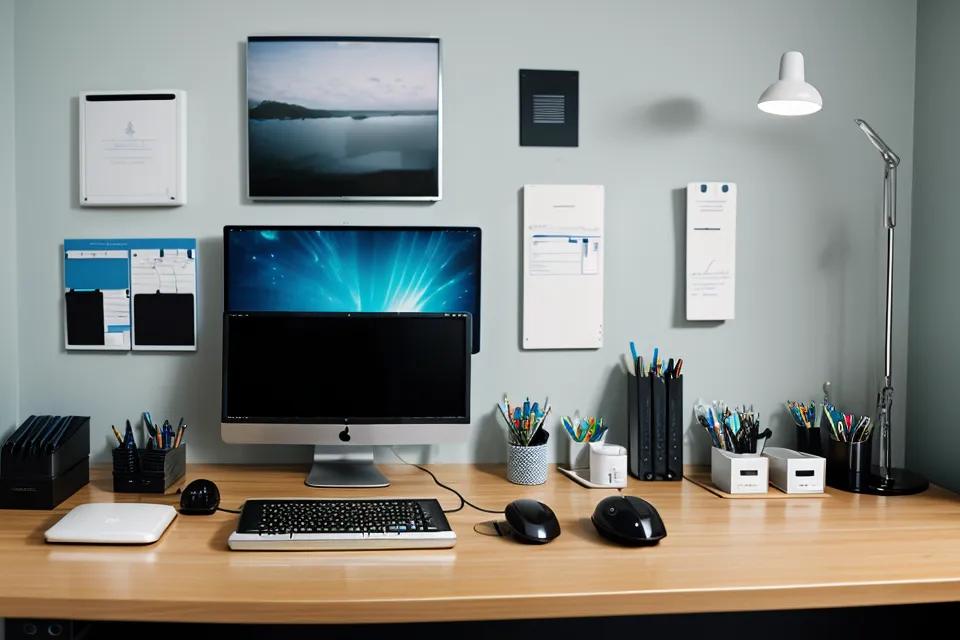
My optometrist's read on it was Computer vision syndrome — not exactly a surprising diagnosis for someone running three monitors out of a converted spare bedroom in an East Austin bungalow, screens arranged in a loose crescent so I'm never turning my head far to check a second display. The desk faces an east window, and by early afternoon the light coming through it is doing most of the damage, which is probably why the fatigue always lands late in the day instead of first thing in the morning. Blue light glasses were the obvious first move, and they helped with glare, not with the fatigue underneath it. Nature Made's eye health gummies came next, taken daily for two months with nothing to show for it by the end. That's when I stopped guessing and turned it into an actual supplement test — tracking days instead of trusting memory, cycling through seven different formulas over more than a year, with TheyaVue and VisiFlora being the two that stuck around long enough to compare properly.
TheyaVue's Pitch: Cover Every Base for Less
TheyaVue's whole approach is breadth. The label reads like a long dependency list — twenty-four ingredients deep, lutein and zeaxanthin sitting alongside a dozen other names I had to cross-reference against my own notes just to keep straight. TheyaVue is priced like an entry point rather than a premium pick, which made it an easy first commitment: cover as many bases as possible without needing one product to solve everything on its own.
Broad-spectrum is the right way to describe how it behaves, too. Nothing about it reads as fast. It works quietly in the background rather than announcing a result right away. Baseline eye fatigue, the low-grade kind that shows up before lunch even on a light day, softened the longer I stayed on it. What it never quite touched was the sharper, specific crash that hits once the afternoon light shifts and the day's screen total catches up with me — the exact problem this article is named for, and not really what a broad-coverage formula is built to target.
VisiFlora's Different Approach to Speed
VisiFlora starts from a different premise entirely. It frames the whole problem as a gut-eye connection rather than a straight antioxidant play. I can't verify that mechanism and won't pretend to; it's the premise printed on the label, not something I tested directly. What I can say is that the one-capsule dose is easy to stay consistent with, and VisiFlora backs itself with a 60-day money-back guarantee, which made it a low-risk swap once TheyaVue's ceiling became obvious.

My friend Griffin — a developer who won't accept a health claim without a citation attached — asked the obvious question when I mentioned switching: why not run them side by side instead of taking either company's word for it? Fair point. I'd already covered the hardware side of this in Beyond Blue Light Glasses: A Web Developer's Search for Eye Relief, and the honest conclusion there was that glasses alone weren't going to close the gap. VisiFlora felt like the more targeted attempt at the part hardware couldn't fix — less of a maintenance layer, more of a direct response to that specific late-day dip.
TheyaVue vs. VisiFlora: Two Different Approaches to Vision Support
Somewhere in the middle of all this I also spent time with iGenics, which sits between the two on ingredient count and took noticeably longer to show anything — a fuller account of that run is in Debugging My Vision: After 14 Months and 7 Supplements, Here's What Actually Helped My Screen Fatigue. Joaquin, a friend from a co-working space who does color-critical design work and logs more screen hours in a day than I usually do, tried both TheyaVue and VisiFlora after hearing me talk about it. Neither one moved his numbers the way it moved mine, which tracks — his afternoons fall apart over monitor color temperature more than raw fatigue, and no supplement was going to fix a miscalibrated white point.
None of this replaces the basics, either. The 20-20-20 habit is still running in the background regardless of which bottle is open on my desk that month, and it isn't enough on its own for either of us. Some of what shows up by mid-afternoon is just focusing muscles that have been locked at one distance for hours, which no capsule addresses directly (no pill fixes a guy who still can't put the laptop down at a reasonable hour). Worth separating, too, from the dry, gritty feeling some afternoons bring, which is a different complaint with a different fix. Neither supplement has touched the occasional eyelid twitch I still get during long sessions, which turned out to be its own issue entirely. The streetlight test on the drive home is still the most honest measurement I've got for whether the day actually went easier.
Which One Should You Take?
Zoom out far enough and neither supplement is doing anything dramatic on its own — both are incremental, and judging either one off a single bad afternoon would be a mistake. The comparison only holds up when you're tracking the same conditions over enough days to see past the noise, which is the only reason I trust the difference between these two at all.
So the actual trade-off, stripped of marketing language: TheyaVue is the one to start with if you're early in noticing eye fatigue and want broad, inexpensive coverage while you're still figuring out what's going on. VisiFlora is the one to reach for once you already know the problem is specifically a late-afternoon crash and you want something aimed more directly at that window, backed by a guarantee that takes the risk out of trying it. Both still live in the rotation on my desk depending on the month — the choice comes down to which problem you're actually solving, not which bottle has the better label.
| Product | Rating | |
|---|---|---|
| VisiFlora Top Pick | 9.2 | Read More → |
| iGenics | 8.7 | Read More → |
| TheyaVue | 8.4 | Read More → |
TheyaVue
Pros
- ✔ Most affordable entry point for eye support
- ✔ Massive 24-ingredient comprehensive formula
- ✔ Great for long-term preventative maintenance
- ✔ Easy to integrate into a daily morning routine
Cons
- ○ Slower to notice results for acute fatigue
- ○ Smaller brand presence compared to giants