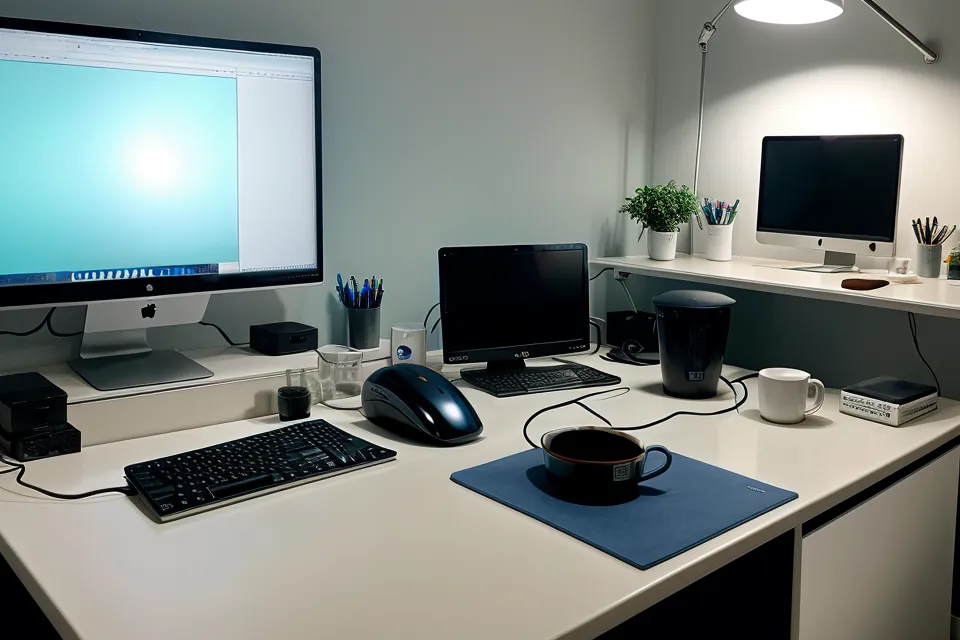
Mid-afternoon hits in my Austin home office and the lines of code on my center monitor start blurring into a gray smudge. It’s the familiar throb behind my brow that signals my productivity is done for the day, despite having three hours of work left. I’ve spent more time debugging my own vision lately than I have my actual Javascript repos.
Just a quick heads-up: this site uses affiliate links. If you buy something through these links, I earn a commission at no extra cost to you. I only recommend eye supplements I have personally tested and tracked over the last 14 months. Also, I’m a web developer, not a doctor or an optometrist—I have zero medical training. Talk to your own eye professional before starting any new supplement protocol.
The 3:00 PM System Crash
After three years of fully remote work, my eyes reached a breaking point. Staring at three monitors for eight to ten hours a day is essentially the visual equivalent of redlining an engine for 100,000 miles without an oil change. That gritty, sandpaper sensation under my eyelids became so intense I’d blink aggressively just to clear a single line of syntax. I tried the yellow-tinted glasses and the 20-20-20 rule, but my optometrist confirmed it was chronic digital eye strain, often referred to as Computer Vision Syndrome.
As a freelancer, I couldn’t just "work less." If the IDE isn't open, the invoices don't get paid. I started a spreadsheet to track my eye fatigue patterns, supplement costs, and timing. Over the last 14 months, beginning in late summer 2025, I cycled through 7 different eye supplements. I was looking for a way to optimize my system from the inside out, rather than just slapping a blue-light filter on the symptoms.
The Austin Nomad Glare Factor
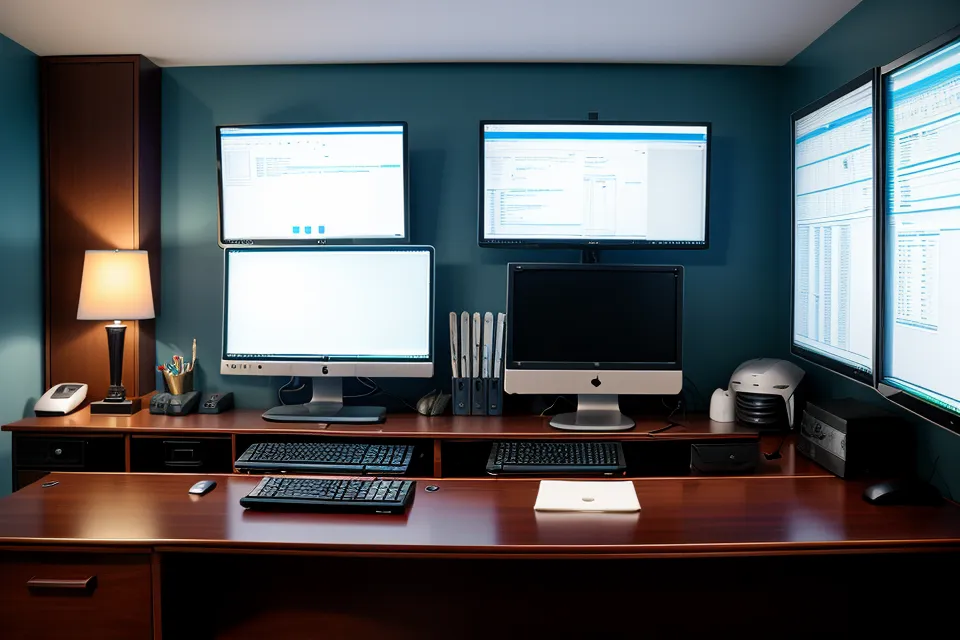
Most eye care advice assumes you’re in a perfectly controlled cubicle. But being a freelancer in Austin means I’m often chasing a stable Wi-Fi signal at coffee shops or using a mobile hotspot while working from a park. This adds a layer of complexity to eye strain: inconsistent connectivity leads to micro-waits that keep your eyes locked on the screen, and the glare from varying outdoor workspaces causes much higher visual fatigue than my home office setup.
I noticed a pattern where my fatigue would peak much earlier when I was working remotely away from my desk. The constant adjustment to shifting ambient light is like a memory leak for your brain; it just drains your resources until you crash. This is why a standard multivitamin didn't cut it. I needed something that addressed the underlying fatigue. I even spent six weeks on a budget formula with 24 ingredients—TheyaVue—only to realize the sheer pill size made me dread my morning routine, and it didn't quite handle the glare-induced headaches as well as I'd hoped. It’s a decent entry point if you’re on a budget, but for high-intensity dev work, I needed more targeted support.
Debugging the Supplement Stack
I went down a serious rabbit hole. I tried iGenics for a while, which focuses on 12 vision-supporting ingredients. It was better than the budget stuff, but I found it took a long time to notice any real changes in my daily tracking. There was a quiet panic in the back of my mind—the kind of background process you can't kill—wondering if I’d have to give up high-paying dev contracts because I couldn't physically look at a screen past noon.
The turning point happened early this summer when I shifted my focus to the gut-eye connection. I realized my digestive health and eye fatigue were peaking at the same time. This led me to VisiFlora. It simplified my routine from a handful of pills to one single daily capsule. Unlike the 24-ingredient kitchen-sink approach, this felt more like a clean refactor of my supplement stack.
The VisiFlora Protocol
I’ve been on VisiFlora for a significant stretch now, and it’s the first time I’ve felt like my eyes aren't being sanded down by the time I close my laptop. One of the math anchors that gave me confidence was their 60-day money-back guarantee; it gave me enough time to actually run the test without feeling like I was wasting money on another "maybe" solution. You can read my Honest VisiFlora Review After My Long Stretch of Remote Work for the week-by-week breakdown.
The biggest change I noticed? That specific moment late in the day when the "halo" effect around my white text on a dark background finally stopped shimmering. I was no longer squinting at my third monitor trying to distinguish a semicolon from a colon. My daily tracking shows that my eye fatigue impressions have dropped from a "critical" level down to something I barely notice until well after dark. I’m also spending less time adjusting monitor brightness for eye strain on triple screen setups because my eyes aren't as sensitive to the contrast anymore.
Final Thoughts for the Austin Dev Community
Ruining your eyes for a living is a weird irony of the modern tech world. We spend thousands on mechanical keyboards and ergonomic chairs, but we treat our vision like an afterthought until the headaches start. After 14 months of testing, my advice to any Austin freelancer is to stop looking for a "quick fix" in a pair of yellow glasses and start looking at your internal health. For more on my testing journey, check out Debugging My Vision: After 14 Months and 7 Supplements, Here’s What Actually Helped My Screen Fatigue.
I’ve settled into a routine that prioritizes targeted support over budget-bin formulas. It keeps my freelance career sustainable and my vision clear enough to keep hitting those deadlines without the 3pm crash. If you're tired of the blur, I'd suggest giving VisiFlora a shot to see if it clears up your visual "logs" like it did mine.