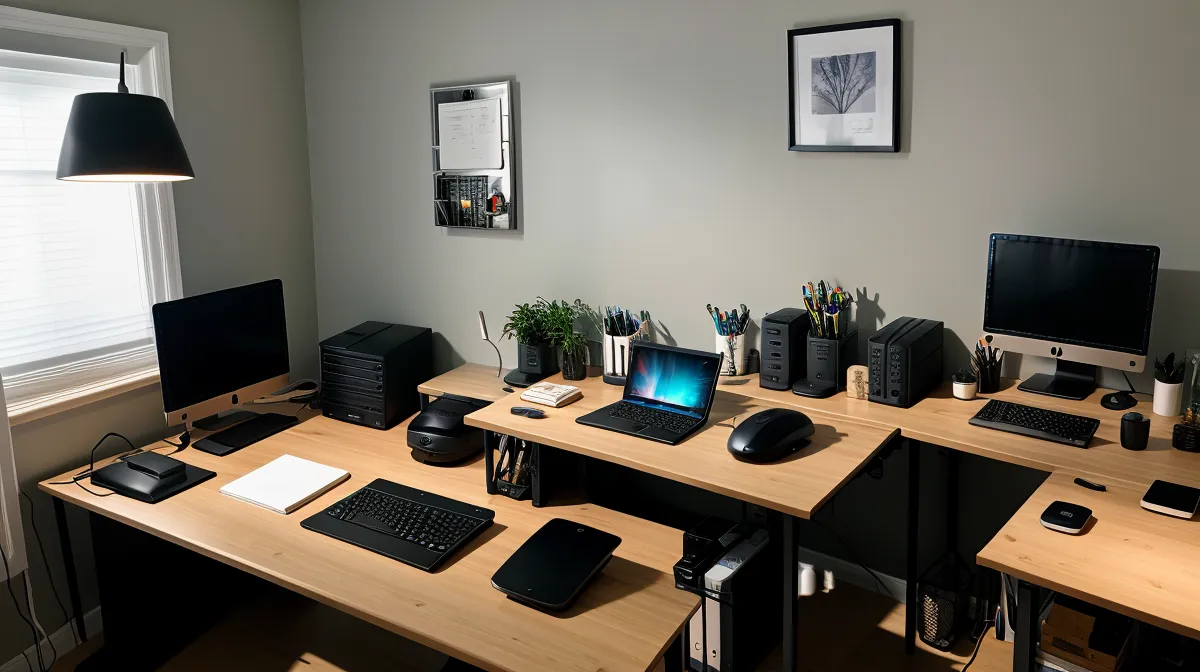
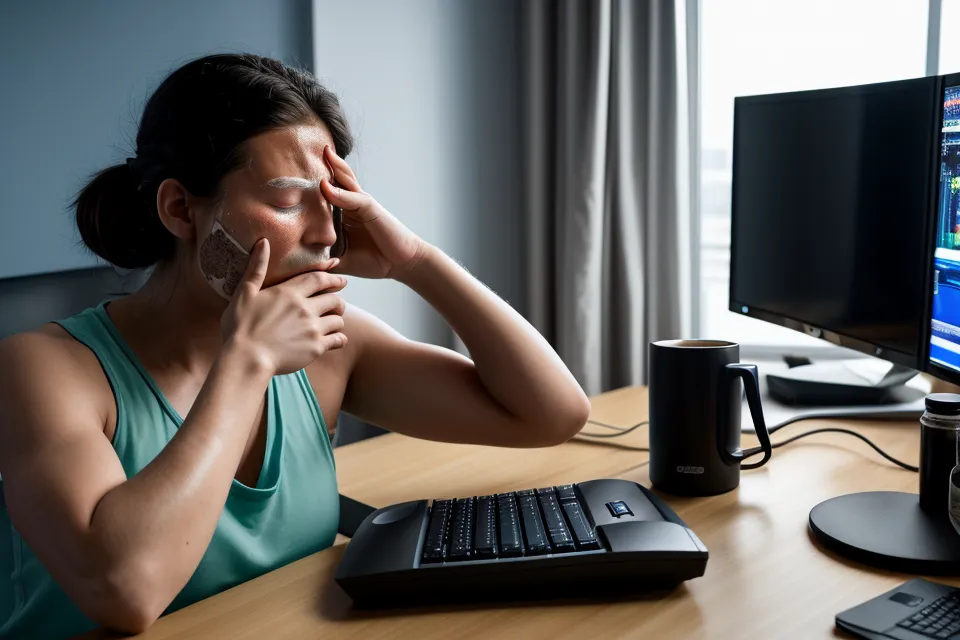
It was mid-afternoon in my home office, squinting at nested loops across three displays, when that familiar dull throb locked right behind my brow line again. My vision blurred around the edges, feeling like my ocular hardware had run out of buffer memory.
Before diving into the debugging logs of my own face, here is the upfront disclosure: This site uses affiliate links. If you buy something through these links, I earn a commission at no extra cost to you. I only recommend eye supplements I have personally tested and tracked across my desk setup over the past year. Talk to your optometrist before swapping your daily routine.
What Digital Eye Strain Actually Feels Like (Beyond Just "Tired Eyes")
When I first complained to my eye doctor after three years of fully remote freelance work in Austin, I assumed I just needed a stronger prescription. Instead, she introduced me to the clinical term: asthenopia, or plain old digital eye strain. It turns out that staring at static pixels for ten hours a day wrecks the delicate mechanics of how our eyes focus and lubricate themselves.
Most online articles treat screen fatigue like a mild inconvenience—something a quick splash of cold water fixes. In my daily logs, the symptoms presented far more like a cascading system crash:
- The Brow-Line Lock: A heavy, band-like tension directly over the eyebrows that reliably arrived during mid-afternoon coding blocks.
- The Midday Sandpaper Effect: Gritty, stinging surface irritation that makes blinking feel like rubbing dry paper against glass. Health consensus notes that our normal resting blink rates typically drop by roughly half to two-thirds when focusing intently on digital displays compared to non-screen activities.
- Focal Latency: Glancing up from code to look out the window at the Austin skyline and taking three full seconds for distant trees to snap into focus.
- Transient Blur: Text lines swimming or ghosting slightly toward late afternoon, forcing an unconscious squint that triggers secondary neck stiffness.
If you have spent any time tracking your work habits, you know how frustrating it is when your mental energy is high but your optical hardware refuses to cooperate. I detailed this exact frustration in my notes on Beyond the Blue Light: What My 14-Month Eye Supplement Log Taught Me About Triple-Monitor Fatigue.
Why Standard Ergonomic Rules and Yellow Lenses Fell Short
Every ergonomic checklist gives you the exact same advice: follow the 20-20-20 rule—look at something 20 feet away for 20 seconds every 20 minutes. It sounds neat on paper. In practice, interrupting deep flow state every third of an hour to stare blankly at a wall is like adding random sleep commands to an optimized script. It breaks your train of thought, and within two days, you stop doing it.
Then come the blue light glasses. I wore a pair of amber-tinted lenses religiously for months. They took the harsh edge off pure white IDE backgrounds, but they did precisely nothing for the underlying dry heat and internal focal fatigue. That is because digital eye strain is not merely a glare issue; it is a muscular and systemic stamina issue.
Standard advice also fails to account for how modern high-demand visual tasks actually work. Consider competitive e-sports athletes: they manage screen exposure under extreme cognitive load, yet traditional ergonomic protocols completely break down in their environment. Competitive gamers require rapid micro-fixations, exceptionally dynamic saccades, and high-frequency blink rates that run directly counter to the static, long-duration focus patterns recommended for typical office workers. While standard desk advice assumes a slow, passive gaze that just needs periodic resting, intense digital workers—whether parsing fast-moving game frames or debugging hundreds of lines across multiple screens—put sustained tension on the ciliary muscle while starving the ocular surface of tear film.
When external filters failed to address that biological bottleneck, I decided to treat the problem internally.
The 14-Month Supplement Rabbit Hole: Tracking What Worked
To be crystal clear: I am not a doctor, I am not an optometrist, and I have zero medical credentials. I am just a 38-year-old software engineer who tracks everything in spreadsheets and got tired of ending my workdays in physical discomfort. If your vision changes suddenly, please go see a licensed professional.
From late autumn 2025 through early autumn 2026—a span of about 14 months—I tested 7 different eye supplements to see if nutritional support could move the needle on my midday fatigue scores. I logged daily eye fatigue impressions, capsule timing, and subjective recovery rates.
Early on, I followed the conventional wisdom and loaded up on standalone, high-dose lutein and zeaxanthin formulas. In my experience, they provided a mild baseline buffer against evening glare, but they left the midday screen burn and gritty eyelid friction mostly untouched. Juggling four separate bottles of carotenoids, fish oil, and standard multivitamins felt messy, expensive, and delivered diminishing returns. I documented that experimental phase in The Austin Coder’s Guide to Screen Fatigue: My 14-Month Eye Supplement Experiment.
My Foundational Stack: Moving to VisiFlora
The real turning point in my self-testing came late last winter when I shifted away from mega-dose carotenoids and started looking at formulas addressing systemic inflammation and internal balance. That led me to VisiFlora.
What caught my analytical interest was its dual approach: instead of simply dumping raw pigments into the system, it targets the biological connection between digestive microflora and ocular moisture balance. I take one capsule daily with breakfast, following the dosage on the bottle.
After about six weeks of daily tracking, the difference showed up clearly in my afternoon notes:
- Smoother Eyelid Glide: The gritty "sand in the corners" feeling during afternoon client deployments softened noticeably.
- Reduced 3pm Brow Ache: My eyes maintained focal stamina longer into the afternoon without that clenching sensation over the orbit.
- Single-Capsule Simplicity: Taking one capsule each morning replaced a complicated multi-bottle routine that was annoying to manage.
It is not an overnight magic wand—it took weeks of consistent use before I noticed any shift in visual comfort. It also comes with real trade-offs: it carries premium pricing compared to basic drugstore eye pills, and it is only available directly through their official site rather than standard retail shelves. That said, the manufacturer backs it with a 60-day money-back guarantee, which gave me enough runway to test it through a full billing cycle without feeling trapped. Current pricing and package options change occasionally, so check their official page directly if you want the latest figures.
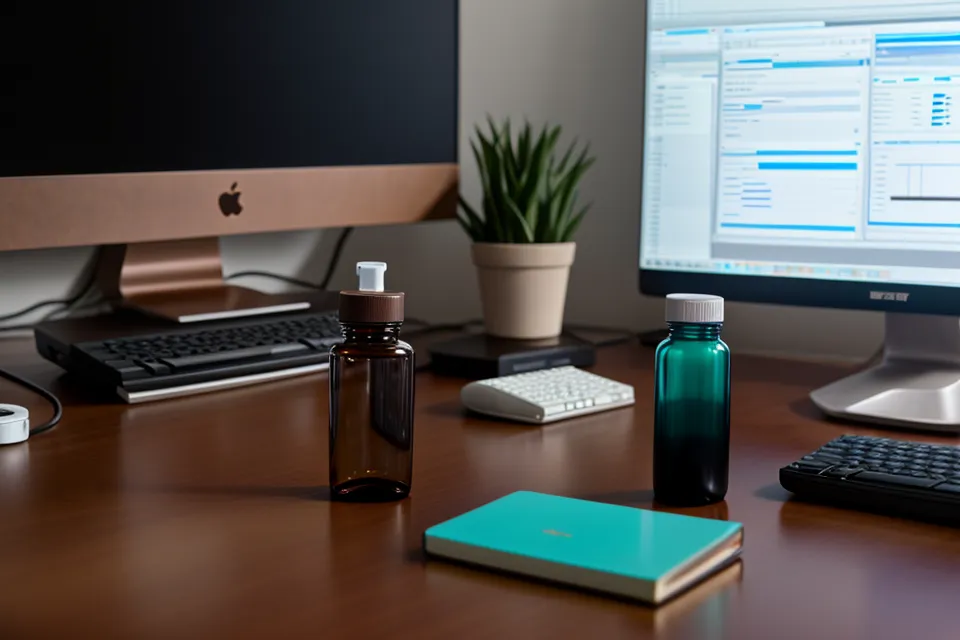
By early autumn this year, after cycling through all 7 supplements across my 14-month log, VisiFlora remained the sole bottle on my desk that consistently justified its spot in my morning workflow.
Frequently Asked Questions About Digital Eye Strain and Eye Stacks
Can an eye supplement replace blue light glasses or monitor breaks?
No supplement replaces basic physical reality. If you keep your display brightness cranked to maximum in a pitch-black room and refuse to blink for four hours, your eyes will hurt regardless of what you swallow. In my experience, a targeted supplement like VisiFlora acts as internal hardware maintenance—it helps support ocular lubrication and visual endurance so that environmental stressors do not derail you as quickly. Think of it as thermal paste for your CPU: it improves heat dissipation, but you still need an actual cooling fan.
How long did it take to notice a difference in daily screen fatigue?
In my logs, quick-fix expectations always led to disappointment. When testing standard lutein formulas, I noticed almost nothing for the first month. With VisiFlora, subtle shifts in surface moisture and reduced mid-afternoon brow tension began appearing after about six weeks of daily tracking. Real nutritional support works gradually; anyone promising instantaneous visual clarity within 48 hours is selling marketing hype.
How should a developer track whether an eye supplement is actually working?
Keep a minimal, frictionless log. I tracked three subjective metrics at the end of each workday: brow tension (1 to 5), eyelid dryness (1 to 5), and the approximate time when visual focus began to blur. By holding monitor brightness, desk lighting, and prescription lenses constant, you can spot macro trends over four to eight weeks without overcomplicating your tracking system.
Are there any side effects from taking targeted eye supplements?
I did not experience adverse digestive or systemic side effects during my trials, but everyone's biology responds differently. Always read the label ingredients carefully to avoid known allergens, stick strictly to the manufacturer's suggested serving size, and talk with your eye care professional or general doctor before adding any supplement to your daily routine.