Seven eye supplements went through my testing spreadsheet before even one of them moved my afternoon headache. The biggest misconception about digital eye strain in this corner of the internet is that the fix has to start with a pair of glasses instead of what your own tracking data says. The assumption falls apart once you log your own eye care routine instead of trusting the first landing page you read.
Quick disclosure before any of that: I'm a web developer, not an optometrist, and I have zero medical training beyond what years of staring at three monitors taught me the hard way. This site runs on affiliate links, so if you buy a supplement through one of mine, I earn a commission at no extra cost to you — and I only recommend the ones that showed up clean in my own fatigue logs. Always check with your own eye doctor before changing your routine.
The Digital Eye Strain Myth Everyone Gets Backwards
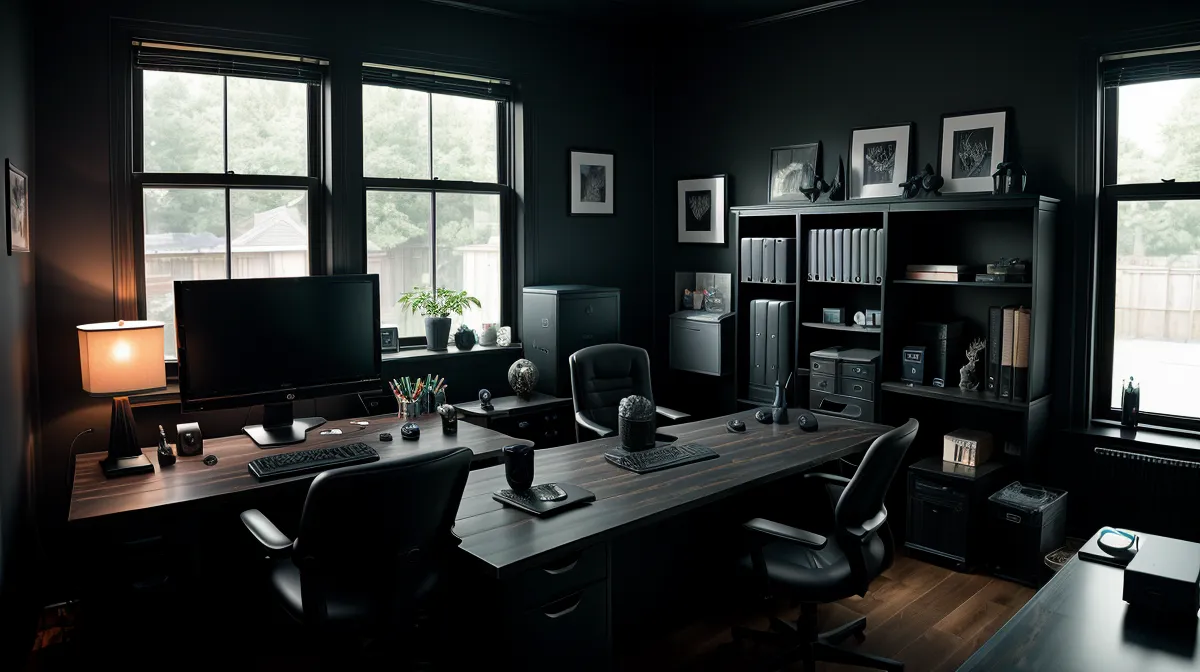
My desk is a U-shaped standing setup wrapping two walls, three 27-inch monitors angled into a shallow arc, with a strip of warm bias lighting tucked behind the center screen and the east window's blackout shade usually pulled halfway down by the time my afternoon slump starts. That slump used to show up on schedule: a dull ache behind my temples and that sandy feeling that makes ten-point font unreadable. Some afternoons, when the glow gets old, I'll take the laptop to a corner booth at Domain Northside instead — same eyes, same fatigue curve, just different walls around me.
How the 20-20-20 Rule Fell Short
Twenty seconds of looking far away every twenty minutes sounds like a reasonable patch, and for a lot of people it probably is. For someone staring at three screens most of a working day, it felt like trying to fix a memory leak by restarting the app — the symptom goes away for a minute, then creeps right back. My optometrist's actual diagnosis was digital eye strain, which is a real label but not a prescription, and the first tool he handed me was a pair of prescription blue light glasses. They did nothing I could measure. No change in the afternoon ache, no change in the gritty feeling, nothing I could point to in my own tracking. I've broken down the full testing methodology in Beyond the Blue Light: What My 14-Month Eye Supplement Log Taught Me About Triple-Monitor Fatigue, but the short version is that treating blue light as the only variable missed most of what was actually going on.
Most formulas lean on Lutein and zeaxanthin, the pair of carotenoids that show up in nearly every eye supplement on the shelf, and TheyaVue builds its whole budget-friendly case around a reasonably broad 24-ingredient version of that same combination. It's a fair place to start if you only just noticed the afternoon fog creeping in — it's the supplement equivalent of checking your cables before assuming the monitor itself is dead. It wasn't enough on its own for someone running three monitors for a living, but dismissing it outright would be its own kind of myth.
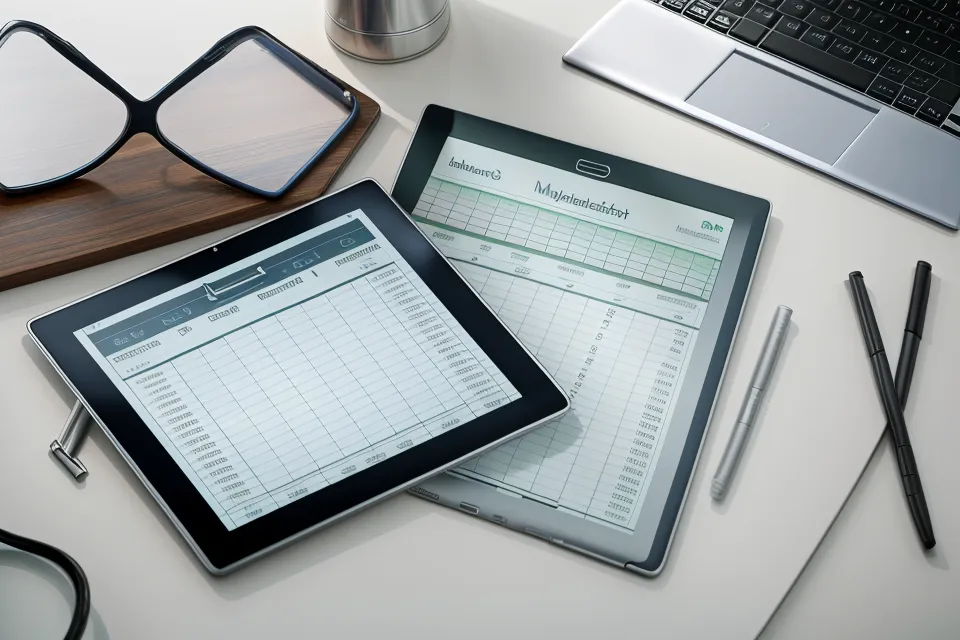
My Tracking Spreadsheet Told a Different Story
Competitive gamers who stare at high-refresh monitors for hours at a stretch tend to run noticeably higher supplement doses than what gets marketed to the average office worker, and that detail reframed what counted as "enough" for someone logging long days across three screens. I can't explain the biology behind that gap — that's above my pay grade as a programmer, not an eye doctor — but it pushed me toward formulas built for heavier use instead of general wellness shelves. A friend of mine, Soren, who I only know through a Slack community for independent contractors, runs a tracking setup even more granular than mine; comparing spreadsheets with him once a month is a big part of why I trust my own data over a product description page. VisiFlora's pitch around the gut-eye connection stood out from the rest, less because of the specific claim and more because it treated eye fatigue as a whole-system problem instead of another pile of the same two carotenoids.
Comparing VisiFlora, iGenics, and TheyaVue Head-to-Head
I compared VisiFlora and TheyaVue directly in VisiFlora vs TheyaVue for Relieving Dry Eyes from Coding Sessions once I'd run both long enough to trust the pattern, and iGenics joined the comparison not long after as a third option with its own tradeoffs. iGenics is a well-known name in the category with a broader 12-ingredient formula, which sounds like an advantage until you're swallowing a capsule that size before coffee. It also took longer than the other two before I noticed any shift, which matched what I'd read in other people's experiences with it. None of these are bad products — the myth isn't "supplements don't work," it's that more ingredients or a bigger brand name automatically means a faster result.
VisiFlora turned out to be the one that stuck for daily use. It only sells through the official vendor page and sits at a premium price point, but it backs that up with a 60-day money-back guarantee and a one-capsule-a-day routine that's easy to not forget. These days, when I scan through a long git diff and finally glance up from the screen, there's no lingering ghost image burned into the wall behind my monitor — that's the closest thing I have to proof beyond the spreadsheet. A reader named Priska, a copywriter working remotely out of Minneapolis who emailed me a few times after finding my post on the gut-eye angle, summed up the right level of skepticism better than I could: she won't try a supplement unless the full ingredient panel is posted somewhere she can actually read it. That's the same bar I'd apply to a pair of glasses claiming to fix everything without telling you what light they're actually blocking.

What Actually Counts as Progress
The full tracking notes live in The Austin Developer Desk: Tracking Seven Eye Supplements After Years of Triple-Monitor Strain, and reading back through them, the pattern holds up better than I expected it to. The irony isn't lost on me: I spent real money on high-end monitors only to find out my own hardware was the actual bottleneck. No supplement replaces stepping away from the screen and looking at literally anything else for a few minutes — that part of the original advice was never wrong. What was wrong is the idea that blocking blue light, on its own, should have been enough to fix a problem that was never only about blue light.
If you only just started noticing afternoon fog, TheyaVue's budget-friendly entry point is a reasonable place to test the waters before spending more. If the basics haven't moved your own numbers and you're logging the kind of hours that come with multiple monitors, VisiFlora is the one I'd point you to first, gut-eye angle and one-capsule routine included — just go in tracking your own fatigue instead of taking any single formula's word for it, mine included.