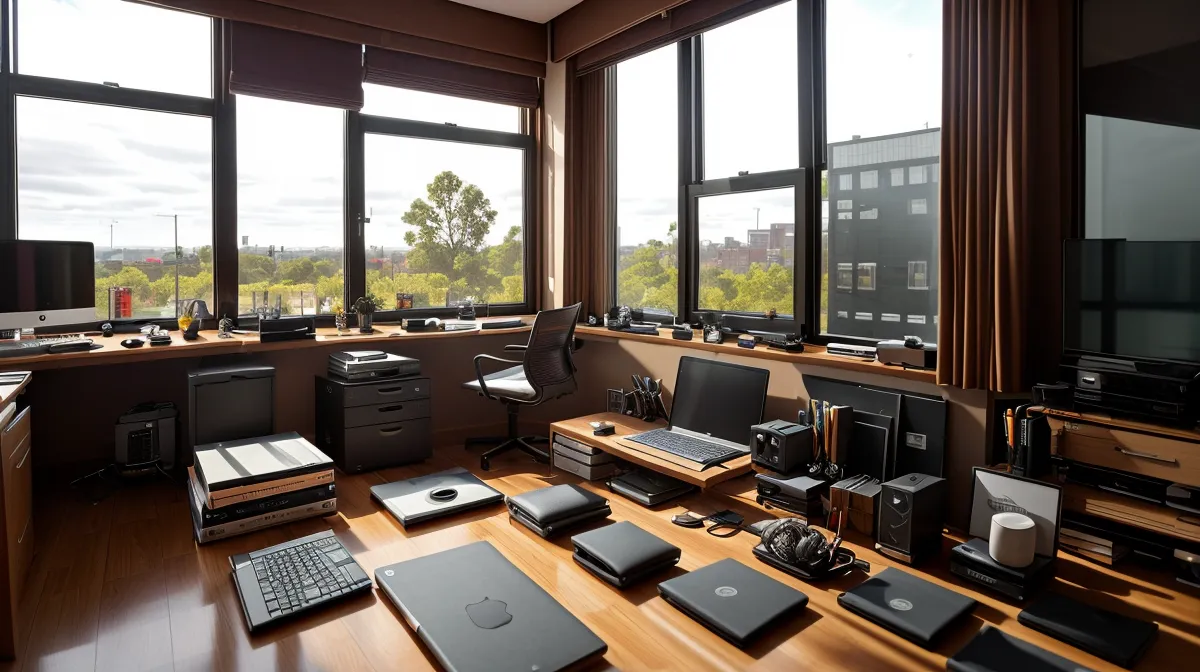
Seven eye supplements have rotated through my kitchen cabinet since I started treating my eye health like a debugging problem, and exactly two of them are worth talking about. That's not a great hit rate for someone who spends most of his working life trying to reduce false positives. Remote work put me in front of three monitors for most of the day, and it wasn't long before my eyes started throwing errors that my optometrist eventually decoded as digital eye strain. Supplement testing turned out to be the one part of my developer lifestyle where I actually applied the same rigor I bring to a pull request, and what follows is a comparison of the two paths I tried, side by side, because one of them cost two months for nothing and the other changed my afternoons completely.
The Generic Eye-Health Gummy That Did Nothing
Nature Made Eye Health gummies were the first thing I grabbed, mostly because they were sitting at eye level in the vitamin aisle and the label used the word 'eye' four separate times. Two months of taking them every single day produced exactly the same 3pm crash I'd been logging before I started, no shift in either direction, not even a placebo bump. Blue light glasses came before that and did roughly the same amount of nothing, aside from making me look like I was cosplaying a hacker from a decade-old heist movie. My optometrist had already put a name to what was happening, Computer Vision Syndrome, or digital eye strain in plainer terms, and pointed me toward the 20-20-20 rule as a starting point, which, in my defense, is a genuinely hard habit to build into a coding flow state, and one I followed about as consistently as I write unit tests before a deadline. None of that excuses how much of my day happens in front of a screen to begin with; that part is entirely on me, not the gummies.

Griffin Shows Up With the Next Gadget
My friend Griffin Llewellyn has a habit of showing up with whatever new piece of dev gear the rest of us haven't heard of yet. He's the type to own the ergonomic keyboard before it's fully shipped to everyone else. We ended up at a table along the South Congress Avenue coffee strip one afternoon, both of us working remotely with laptops open, and he mentioned that his own screen setup had gotten more deliberate lately, warmer lighting, less glare, fewer things competing for his eyes across a session, which was enough to send me home to actually look at my own monitor arrangement instead of only throwing supplements at the problem. A lighting temperature or a monitor angle that fights your eyes all day adds up the same way an unindexed query adds up, quietly, until it doesn't.
So What Actually Changed?
The moment I actually trusted the difference wasn't dramatic. Deep into a stretch of scrolling through a pull request on my second monitor, seven hours into the day, I caught myself reading the small diff text at the edge of the screen without squinting or leaning in first. That was it. No fireworks, just the absence of a habit I hadn't noticed I'd built, leaning toward the screen to compensate for text going soft at the edges.
My home office is a converted second bedroom with a desk that wraps around two walls and three monitors set in a shallow arc, so none of the screens force an angle that twists my neck. Warm-toned lighting sits behind the center display so the room doesn't fight the screen's white balance, and the blackout shade over the east-facing window stays half-down by midday, otherwise the sun turns that center monitor into a mirror by early afternoon. The improvement lined up with switching from the gummies to a supplement built around the specific compounds your eyes concentrate: lutein and zeaxanthin among them, part of a broader class of pigments covered in more depth in the research on carotenoids if you want to go digging. I'd cycled through a couple of other formulas first, none of which moved the needle in either direction, and I've already written up the specific ratio that finally worked in a separate breakdown for anyone chasing the numbers. This piece is about which bottle to reach for first, not the chemistry behind it.
Weighing Two Approaches to the Same Problem
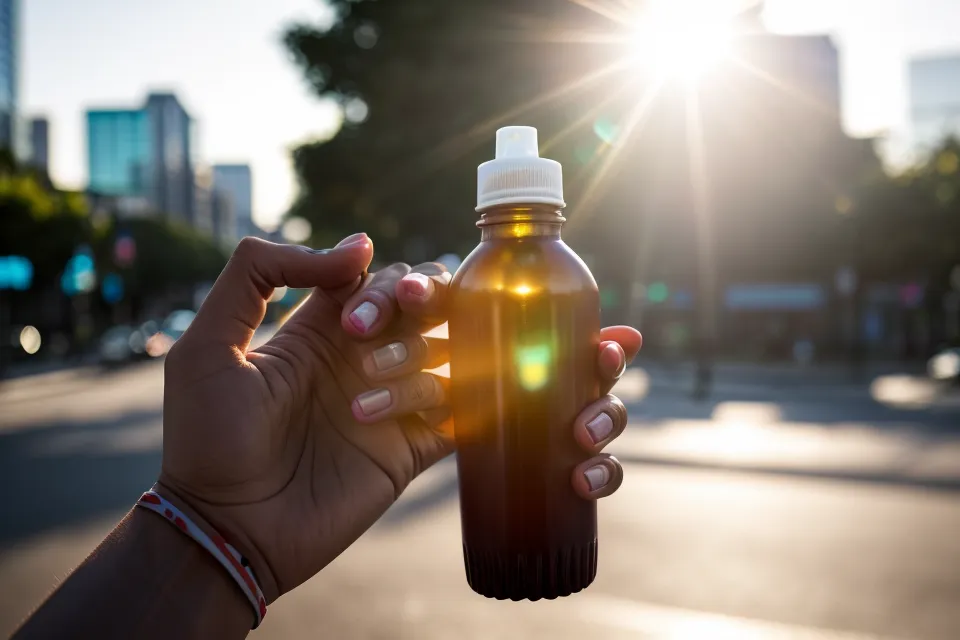
Joaquin Vogt, a graphic designer I know from a co-working space, was dealing with a nearly identical 3pm crash. He does color-critical design work for nine-plus hours a day, which is its own specific way to punish a pair of eyes. Some of what he described sounded closer to dry eyes than fatigue, a different failure mode that just happens to show up around the same time of day. When I mentioned what had worked for me, he skipped the testing part entirely and ordered every product I'd brought up in one sitting, took them all together, and had no way of telling me which one, if any, was actually doing something. That's the comparison in miniature: one variable at a time against everything at once. It's also why I'm skeptical of any supplement claim I can't check against my own tracking. A spreadsheet with a rough daily fatigue score isn't rigorous science, but it's the difference between pointing at a specific product and just having a vague sense that things feel better lately.
Pick the Approach That Fits Your Symptoms
A general multivitamin with an eye-health label is a reasonable place to start if your eyes feel mildly tired by the end of the day and nothing more specific than that. It's a cheap first test, and for plenty of people 'a little tired' genuinely doesn't need a targeted fix. Choose the more targeted route if your pattern looks closer to mine: a specific afternoon crash, text going soft at the edge of a second monitor, a routine that survives every other fix you throw at it. A generic gummy is unlikely to tell you anything useful at that point, and it's worth testing something built around the compounds your eyes are actually short on instead. I've folded in rest and relaxation habits alongside whatever I'm taking, because no capsule replaces an actual break from a screen. None of this replaces an actual conversation with an optometrist, especially if what you're feeling comes with anything sharper than fatigue. I've gone deeper into the mid-afternoon blur specifically if you want the longer version of this comparison. Consider this the short version: two bottles, one cabinet, and only one of them earned a permanent spot on my desk.